

The painting may be exempt from the tariff. That doesn’t mean the artist escapes the cost.
As I write this in August 2026, Canada–U.S. trade policy has roughly the stability of a feral raccoon in a chandelier. If you’re reading this later, check the current rules. I’m an artist, not a trade lawyer or accountant. I’m a paste-eater, as they say. I make Bougie Punk art. Please don’t base an international trade decision on me.
UPDATE — September 21, 2026:
Well, fuck.When I wrote this, I had recently shipped two original paintings from Ontario to collectors in Massachusetts and Ohio without tariffs. At the time, that was my actual experience.
Then on Sunday, I sold a third painting to a collector in Texas.
I woke up Monday morning, ready to sort out the shipping and—well, shit. Original Canadian paintings were now getting hit with a 50% tariff.
As of August 22, original Canadian paintings classified under HTS 9701.91.00 are included in the United States’ new 50% tariff on specified Canadian goods.
The entire argument below was that the painting might escape the tariff while the artist still gets hit by the costs around it.
The painting doesn’t escape anymore either.
Welcome back to buying and selling art during a trade war.
Welcome to buying and selling art during a trade war.
Tariffs on, tariffs off, tariffs on, tariffs off. How very Mr. Miyagi, yet unfortunately I have yet to learn how to crane-kick my way through American trade policy.
I’m Sara Leger, a Canadian artist working in South Glengarry, Ontario.
This summer, I sold two original paintings to American collectors about a month apart—one went to Massachusetts and the other to Ohio. I packed them here in Ontario, shipped them across the border and hallelujah, no tariffs! No particular drama, either.
So far, so good.
Would I confidently promise the next American collector the same thing? Not a chance.
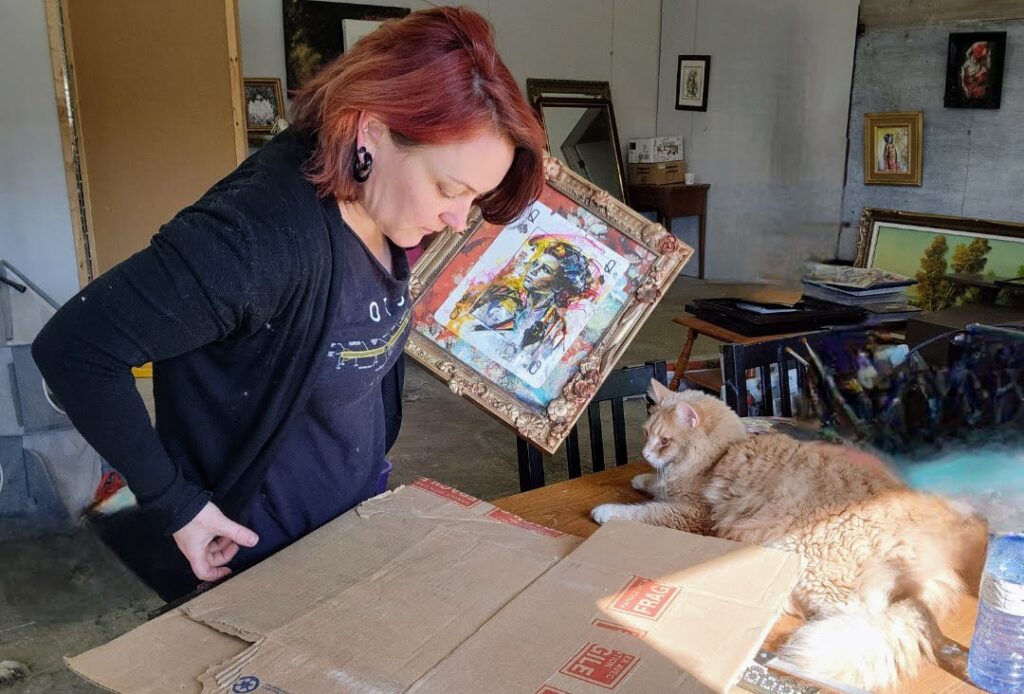
Over the last year, I’ve watched the practical side of selling art across the border change almost as quickly as the tariffs themselves. Canada Post now has Canadian shippers run U.S.-bound parcels through Zonos for a prepaid duty assessment and Declaration ID—even when the duty calculation comes back at zero. Etsy has changed its U.S. shipping requirements too, including requiring DDP shipping for Purchase Protection.
And every new system comes with some new combination of paperwork, fees, shipping changes or another thing for a small business to figure out.
As of August 2026, Trump is still announcing tariffs and Carney is still responding, so if you’re an American collector considering buying original Canadian art, check the current rules when you’re actually buying it.
This is not International Trade Policy According to Sara.
There. My lawyer may unclench.
Is Trump Banning Canadian Artists From Selling Art in the U.S.?
So far, no. Canadian artists haven’t been banned from the American art market. I mean, who the fuck knows what the raccoons in the chandelier will fling at us next.
UPDATE — BOO, we have been tariffed!
Original works of art can still fall under exemptions from the additional U.S. tariffs, depending on the work and how it’s classified. U.S. Customs and Border Protection classifies original oil paintings under HTSUS 9701, and my own paintings shipped to American collectors this summer arrived without tariffs.
The rules are changing quickly, though, so check the current exemptions and classification when you’re actually buying or shipping.
We’re still here. We’re still shipping. We just have considerably more paperwork accompanying the paintings these days.
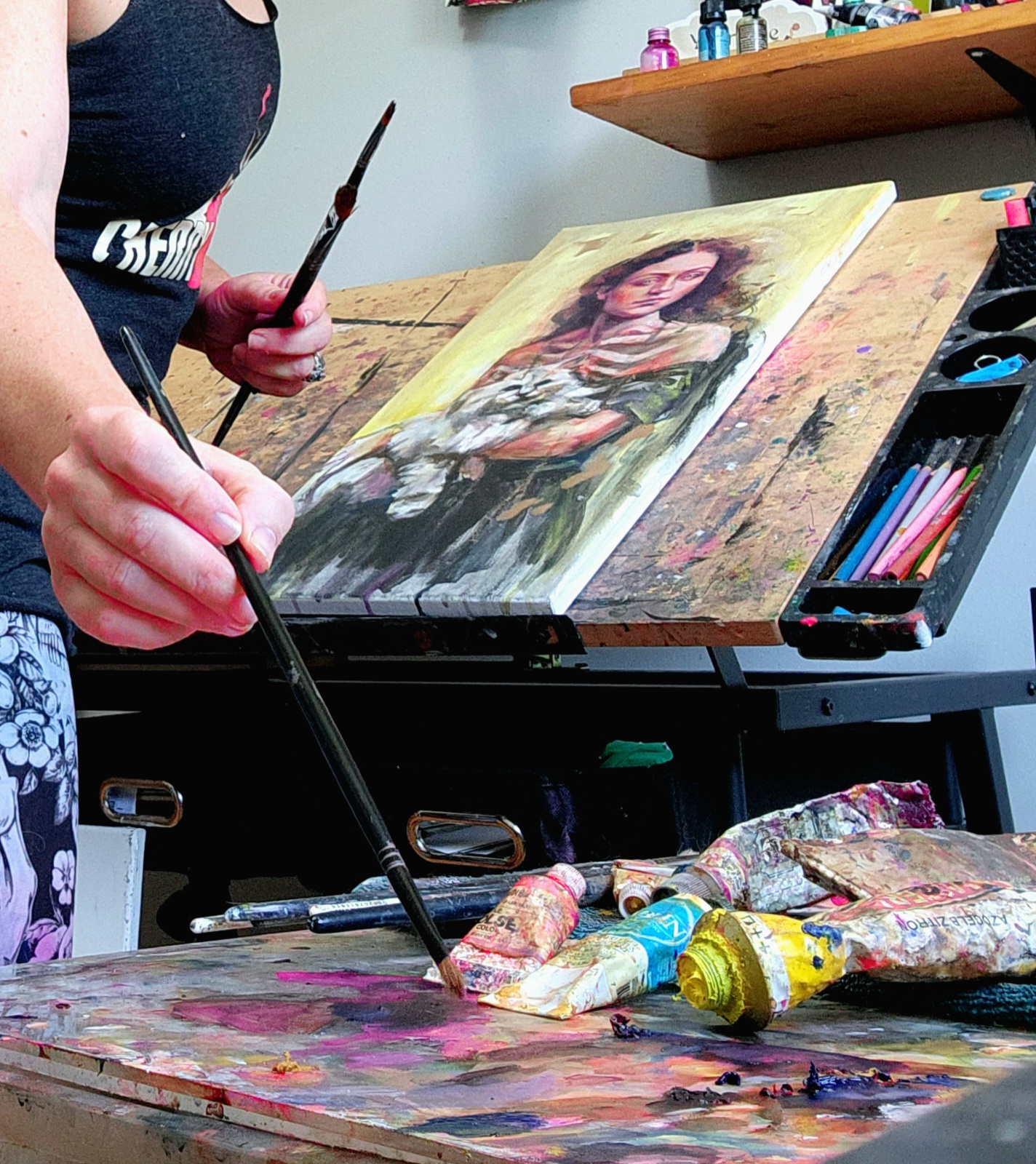
The Tariff Doesn’t Have to Be on My Painting to Reach My Studio
Paintings don’t materialize through witchcraft. How very unfortunate, I know.
I buy oil paint, canvas, brushes, mediums, varnish, gold leaf, frames, hardware and an obscene amount of packaging. By the time I’m done packing a painting for Canada Post, it’s ready for atmospheric re-entry. And as much as I’d love to say all of it is Canadian-made, it isn’t.
And this isn’t just the hypothetical rantings of one paste-eater in South Glengarry, either. CARFAC, Canada’s national association for visual artists, has warned Canadian artists that the U.S. tariff situation can affect both their income and their creative practices.
That’s the part that gets lost when the conversation becomes simply:
Is Canadian art tariffed?
The finished painting doesn’t have to be hit with a tariff for tariffs to affect what it costs me to make it.
And obviously I’m talking about paint because I’m an artist, but the same math applies to any Canadian small business buying materials, equipment, parts, ingredients or packaging from somewhere else. Somewhere along the line somebody pays more, somebody absorbs it, somebody raises a price—or everybody gets to participate in this delightful little economic exercise.
Costs roll downhill, much like other things, and guess who’s standing at the bottom of that hill holding the bag full of it.
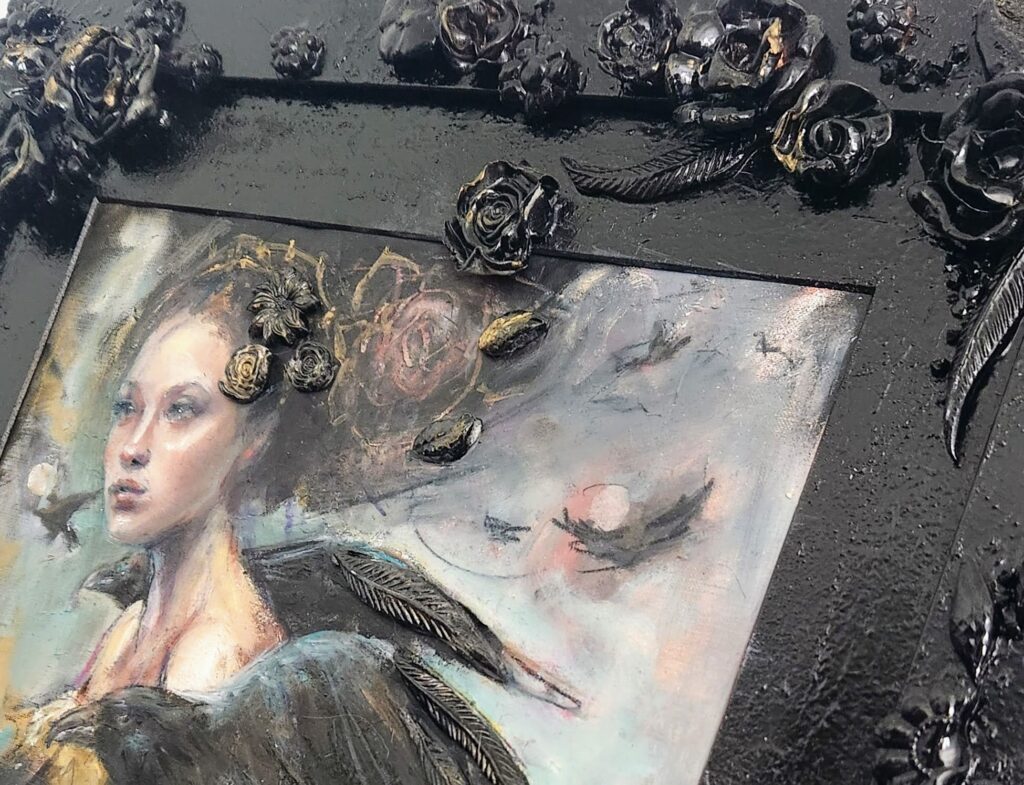
Buying Canadian Is Mercifully Boring
Another recent painting went to a woman in Toronto and the entire transaction was delightfully uneventful. I packed it. Canada Post took it. She got it. That was it. No crane kick required.
No border drama, no tariff discussion and no sweeping of the leg.
Which, understandably, makes the whole Buy Canadian thing considerably more attractive right now.
Buying Canadian doesn’t magically make us immune to a trade war. I’ve just spent several paragraphs explaining why it doesn’t. Canadian businesses still buy imported materials, use foreign equipment and exist in global supply chains.
But it does make me think a little harder about where the finished product comes from and where the money goes when I buy it. Which is pretty Effn straight forward when it comes to original art.
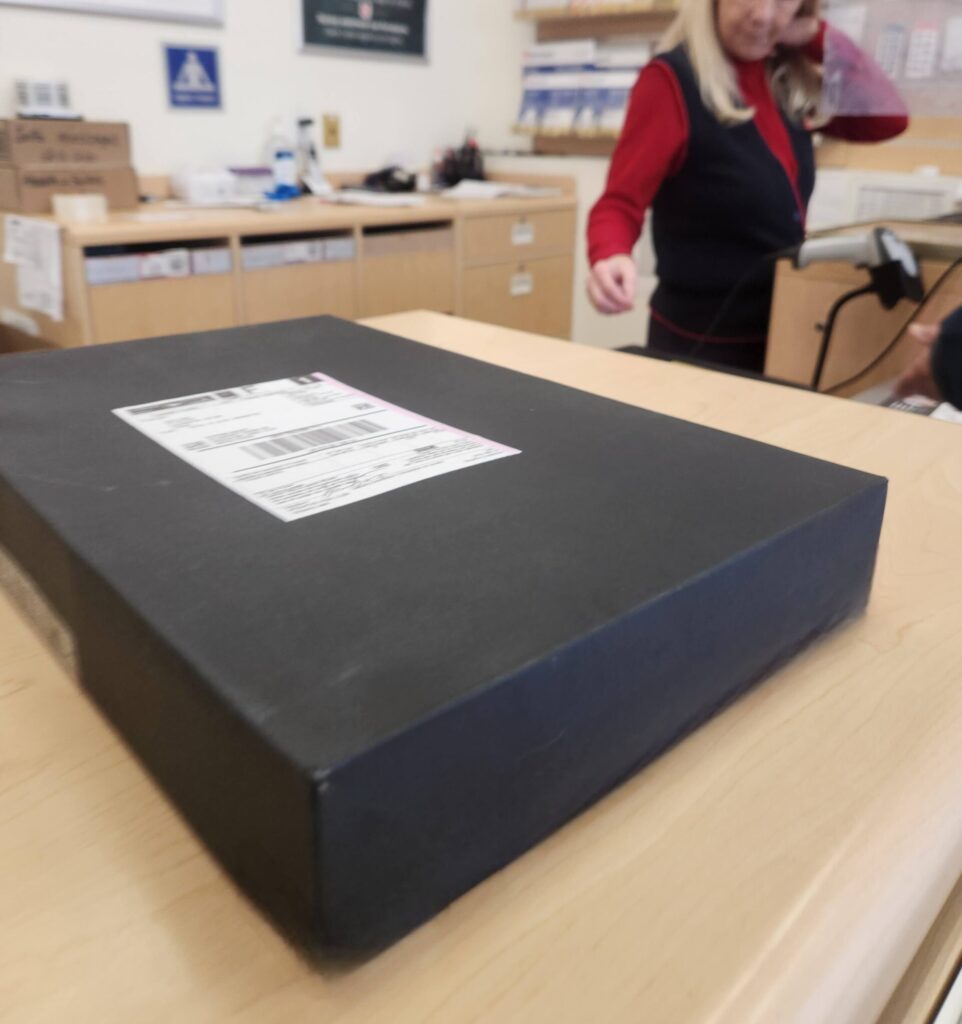
A Canadian artist made it.
Here.
So buy Canadian art?
Buy Canadian art, sure. But not out of pity or some patriotic sense of duty. No.
I don’t think anyone should buy art simply because the person who made it happens to live on the correct side of the border. I certainly have no desire to become somebody’s patriotic good deed.
Buy the painting because you love it, no matter which side of the border it comes from.
But maybe that’s what I find interesting about this whole Buy Canadian thing. A trade war has a funny way of making you pay attention to where things actually come from, because almost nothing we buy exists in isolation. There’s a whole trail behind the finished thing—materials, suppliers, businesses and actual people trying to figure out what the hell everything is going to cost next month.
Who made this? Where was it made? Who gets my money?
For me, that finished thing just happens to be a painting.
Which brings me right back to where I started.
The painting itself may escape the tariff. The cost doesn’t necessarily escape the artist.
So yes, buy Canadian art when you find something you love. Not because Canadian artists need rescuing, but because you found something worth buying.
Just because trade policy has become a circus doesn’t mean you don’t get to choose where your money goes.
I’ll keep buying the good paint.